
When Everything Can Be Made, What Is Worth Making?
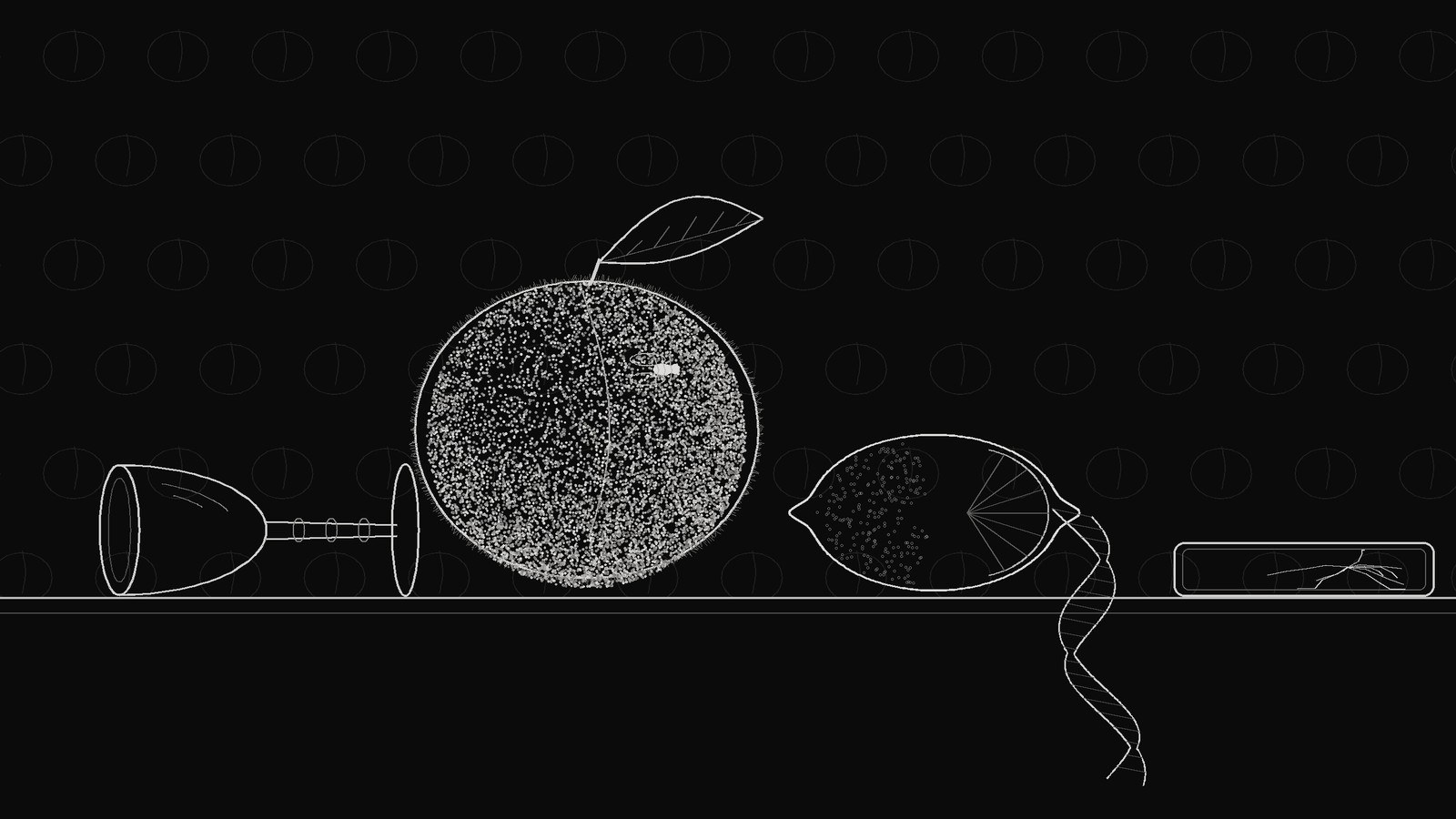
Last week I opened my inbox to eleven demo submissions before breakfast. At least four of them sounded like the same track. Same kick, same rolling bassline, same pad sweeping in at the same bar. One of them came with AI artwork of a glowing mushroom forest that I'm fairly sure I've seen on three other flyers this year.
None of it was bad, exactly. That was the strange part. It was all perfectly fine, and I forgot every bit of it by lunch.
This is where we are now. A track can be made in an afternoon. A poster in seconds. A whole "artist aesthetic" in a weekend. Tens of thousands of songs land on streaming platforms every day. So the question isn't really whether things can be made any more. It's why anyone should stop scrolling for the thing you made.
The funny thing is, we've been here before.
The Dutch had too many paintings too
In the 1600s, the Netherlands went through a painting boom that's hard to imagine. Historians estimate millions of paintings were made in that century. Ordinary households, bakers and tailors, hung art on their walls. Paintings were sold at fairs and markets like produce. There was a glut.
Out of that flood came the still life. Tables of lemons half-peeled, oysters, silver cups tipped over, flowers just starting to droop. And often, tucked in somewhere, a skull, a guttering candle or a fly on the fruit. They called these vanitas paintings. They were reminders that everything on the table, however shiny, was going to rot.
The ones we still look at four hundred years later aren't the ones with the most fruit. They're the ones where you can feel someone actually looked. The light on a peel. The fuzz on a peach. A painter noticing something nobody else had bothered to notice.
Photography was supposed to kill painting
When photography arrived in the 19th century, plenty of people assumed painting was finished. Why spend weeks on a portrait when a machine could do it in minutes? The French poet Baudelaire was openly disgusted by it and worried it would ruin art altogether.
Painting didn't die. It just stopped trying to compete on accuracy. The Impressionists started painting what a moment felt like rather than exactly what it looked like. Then came everything after them. The machine took over the job of copying reality, so artists went looking for the things a machine couldn't do.
The 808 was a failure
Roland's TR-808 drum machine came out in 1980 and flopped. Musicians thought it sounded fake and plasticky, nothing like a real drummer. Roland stopped making it after a few years and the units ended up cheap in secondhand shops.
Which is exactly how they landed in the hands of kids in Detroit, New York and Miami who couldn't afford anything else. They didn't care that it sounded artificial. They leaned into it. That "fake" sound became the backbone of hip-hop, electro and a good chunk of techno. A tool that was supposed to imitate humans ended up being loved precisely because humans used it in ways nobody planned.
So what's worth making?
I don't think the answer is "avoid the tools". Every new tool in music history was called cheating at some point. Synths, samplers, drum machines, laptops, Ableton. The tool was never the point.
What I keep coming back to is this: when everything is easy, the things that hold my attention are the ones that clearly cost someone something.
A track where you can hear the producer took a risk, an odd time signature, a break that goes on too long, a sound that probably annoyed their friends. A flyer drawn by hand by someone in the crew, slightly wonky, with the venue name spelled the way locals say it. A decor team that spent three nights tying UV string across a valley. A DJ who played the record nobody expected and cleared half the floor for a minute before winning it back.
That's the stuff I remember. Not because it was polished, but because it was specific. It came from one person, one scene, one moment, and it couldn't have come from anywhere else.
Generated work tends to be an average of everything that came before it. That's literally how it's built. Which means the one thing it struggles to give you is the strange, particular, slightly wrong detail that only you would think of. The fuzz on the peach. The extra-long break. The wonky flyer.
Make the thing only you would make
When anyone can make anything, the question shifts from "can I make this?" to "should this exist, and why does it need to come from me?"
That's a harder question. It's also a better one. It pushes us away from making more and towards making things that mean something to a specific group of people. Your crew. Your city. That one forest party everyone still talks about.
The Dutch still life painters knew the fruit would rot. They painted it anyway, carefully, one peel at a time. Not because there weren't enough paintings in the world. Because they'd seen something worth holding on to.
That still feels like the right reason to make anything.